




 Regular Retail: $19.20
What is propolis?
Propolis is a resinous material gathered by bees from the leaf buds and bark of trees, especially poplars, birch and conifers. In the hive bees mix propolis with wax and use it for repair and construction in the hive, as well as for insulation and protection. Propolis also contains small amounts of pollen and other bee materials. The bees use propolis to protect the hive against bacteria or viral infection and dangerous toxins. Beehives are a virtually sterile atmosphere due to the use of Propolis by the bees.
In raw form (hive scrapings) propolis is approximately 50-80% resins, 30-50% wax, 5-10% pollen, and 10% essential oils. Propolis is a very sticky substance with a sharp almost bitter taste with aroma of honey or vanilla.
Propolis is rich in vitamins. High in B-complex vitamins, propolis contains notable quantities of vitamin C, E and Provitamin A. It also contains minerals and trace elements such as calcium, magnesium, iron, zinc, silica, potassium, phosphorous, manganese, cobalt and copper.
Propolis is extremely high in bioflavonoid content. Flavonoids are well-known plant compounds that have antioxidant, antibacterial, antifungal, antiviral and anti-inflammatory properties.
How does Beehive Botanicals process Propolis?
Manufacturing bee propolis since 1972, Beehive Botanicals is the largest dealer in North America. We have a network of over 500 beekeepers in the U.S. that send us unrefined hive scrapings.
Manufactured with our proprietary process, PROPOL2000TM is lab-tested and certified to contain a minimum of 8% bioflavonoids. Over the years we have developed a process for cold water washing of the propolis to remove most of the extrinsic wax, bee parts and wood chips that commonly occur in raw propolis. We then use this to make propolis extracts.
For extracts the washed propolis is put into vats with food grade alcohol. The extract is put through a leeching process and then filtering process to obtain different strengths. We stock a 25%, 50%, and 65% propolis extract. We have the capabilities to custom manufacture extracts to your strength requirements.
The final process is our Ethanol Extracted propolis Powder 2X concentrate (EEP). We use the propolis extract and remove the alcohol and we are left with a solid form of propolis. This is a very clean, pure propolis that we recommend for encapsulation use. We have been using this propolis in our Beehive Botanical branded products since 1989.Justifying a 2X concentrate
It has taken several years to perfect the 2X concentrate. We start with clean hive scrapings which removes about 25% of the wax in the washing process. Then in the extraction process we remove the rest of the wax and any foreign material concentrating only pure propolis. Approximate calculations are 2 pounds of raw material (minimum) is used to make 1 pound of concentrated propolis. We have found that with removing the extra
Note:
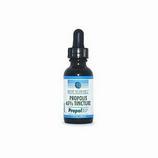
Product image may vary in look, size, quantity and/or flavor. It should only be used as a reference. Please check with the manufacturer for the most up-to-date product information.
Although we try very hard to keep the product information up-to-date, occasionally, the manufacturer changes the name and the packaging of a product without notice.
Share your thought and comments. Be the first to write a review.